
Flavonoid polyphenols are bioactive phytochemicals found in fruits and teas among other sources. Gao Z, Yin X and Cao Q (2026) The role and application prospects of plant-derived bioactive peptides in exercise fatigue recovery. The author(s) declared that this work was conducted in the absence of any commercial or financial relationships that could be construed as a potential conflict of interest. Profound investigation and analysis on the SAR of the bioactive peptides from plants are necessary for translational conversion and application based on biological activity. Plant-derived peptides — with a PPARα stimulation effect, promote fatty acid oxidation instead of storage (53, 62), helping athletes to sustain a proper body composition, but also optimizing their metabolic flexibility between carbohydrate and fat use for different levels of exercise intensity and time duration. One of the favorable consequences from using plant bioactive peptides in animal and human diets is to activate peroxisome proliferator activated receptor alpha , PPARα, by up-regulating transcription factors of PPARα, which can help regulate the conversion of fatty acid during treatment (28).
The literature included was evaluated by two authors , S.Z. & Y.X., using the Cochrane risk of bias (ROB) assessment tool. Quantitative metrics related to athletic performance or physiological markers (such as heart rate), aerobic performance, anaerobic performance, and blood glucose, must be provided by studies. Both a control group and a protein group must be present in the studies, with a noteworthy difference in protein intake observed in the control group compared to the protein group. During the selection process, studies lacking extractable data and non-original studies—including letters, reviews, and editorials—were excluded. Studies involving non-human subjects (like animals and plants), were not included in our selection. Through discussions among two reviewers, the keywords and subject headings were selected and sourced from the Pubmed Mesh database.
We hypothesize that protein intake can improve athletic performance through muscle strength and endurance performance in athletes. By synthesizing current evidence, this study seeks to provide clearer insights into the effectiveness of protein on athletic performance. Muscle glycogen storage proved to be a key factor in maintaining athletic performance after high-intensity exercise.
Key takeaways
Schematic of plant extracts and their effects on exercise (including reducing muscle damage https://www.japannakama.co.uk/a-guide-to-the-top-10-places-to-buy-cbd-in-japan/ ), improving recovery, and increasing energy availability, with examples and specific benefits. This underscores the importance of balancing ROS scavenging with preservation of adaptive signaling—a key consideration for plant-based antioxidant supplementation in sports nutrition. For practical application, this means the blend is effective even if consumed 30–60 min after training (e.g., by athletes who experience gastrointestinal discomfort with immediate post-exercise whey intake). These additives can be classified into various categories, including herbal extracts, essential oils, and whole-plant powders, each offering unique properties and potential health benefits (7–9). However (many individuals face challenges in achieving optimal exercise performance due to factors such as oxidative stress), inflammation, and metabolic disturbances (3, 4). Vegetable oils such as olive oil and palm oil provide lipids, while fruit and vegetables contribute vitamins and minerals to the diet.
There are an estimated 400,000 different species of plants known to science (and new species are continually being described), particularly from tropical areas of the world. Our editors will review what you’ve submitted and determine whether to revise the article. Feedback Type Select a type (Required) Factual Correction Spelling/Grammar Correction Link Correction Additional Information Other Let us know if you have suggestions to improve this article (requires login). Some plants that produce windblown pollen, including grasses, invoke allergic reactions in people who suffer from hay fever.

These findings suggest that high-fat diets quickly disrupt cellular metabolism (reducing energy expenditure), while a low-fat, plant-based diet has the opposite effect, increasing postprandial energy expenditure. In a 5-day experiment in human volunteers, a 55%-fat diet led to a marked increase in circulating endotoxins and, in turn, to a significant impairment of postprandial cellular glucose oxidation . This is important for reducing the risk of type 2 diabetes and improving glycemic control in individuals with diabetes, which is a major contributor to atherosclerosis.
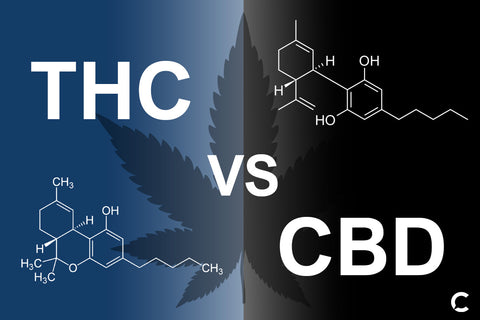
Study authors were contacted to provide raw data and if not received, these data were extracted from reported figures using WebPlotDigitizer. An honorarium for participation in the meeting and preparation of this article was provided by the GSSI. Responsibility for the integrity of all parts of the article lies with all authors. Additionally, selected medicinal plants offer potential performance-enhancing and recovery-boosting effects. Since training and competition leads to a structural and functional imbalance due to strenuous effort, CBD intake could potentially promote restoration of physical performance.
It is possible that AI tools were utilized in the editing or translation of this article. Sycheva was responsible for the editing and the final approval of the article’s version. The concept and design of the study (the interpretation of results), and the article’s writing were all handled by S.N. Shlykov. Currently (there is a scarcity of research regarding cannabis for sports injuries or specific athletic applications), with most existing studies focusing on other conditions.
Apart from increasing the risk of cardiac events (atherosclerosis may also narrow arteries to the legs), the brain, and other parts of the body, reducing blood flow and potentially impairing performance. To date, the daily intake has replicated the early studies that showed some benefits and there have been no dose comparison exercise recovery studies. Total phenolic content was highest for the tart cherry powder, 25 , 26 , 27 but none of these studies showed effectiveness for enhancing recovery on the days after exercise. No enhancements of recovery on the days after exercise were found for two studies using tart cherry concentrate gel or in two studies using a tart cherry powder , Tables 1 and 2,. Studies using cherry juice from concentrate or juice from fresh‐frozen cherries have consistently provided enhancement of recovery (at least one positive effect noted in 9 of 11 studies).
Top Natural Supplements for Recovering Muscle.
Subgroup analyses were conducted to provide solid evidence to explain the results of the meta-analysis. The meta-analysis employed both the fixed-effects model and the random-effects model to investigate the impact of protein intake on sports performance. A systematic database search was conducted to identify randomized controlled trials (RCTs) examining the effects of protein intake on athletes’ performance. This study aimed to explore the relationship between protein intake and athletic performance.